

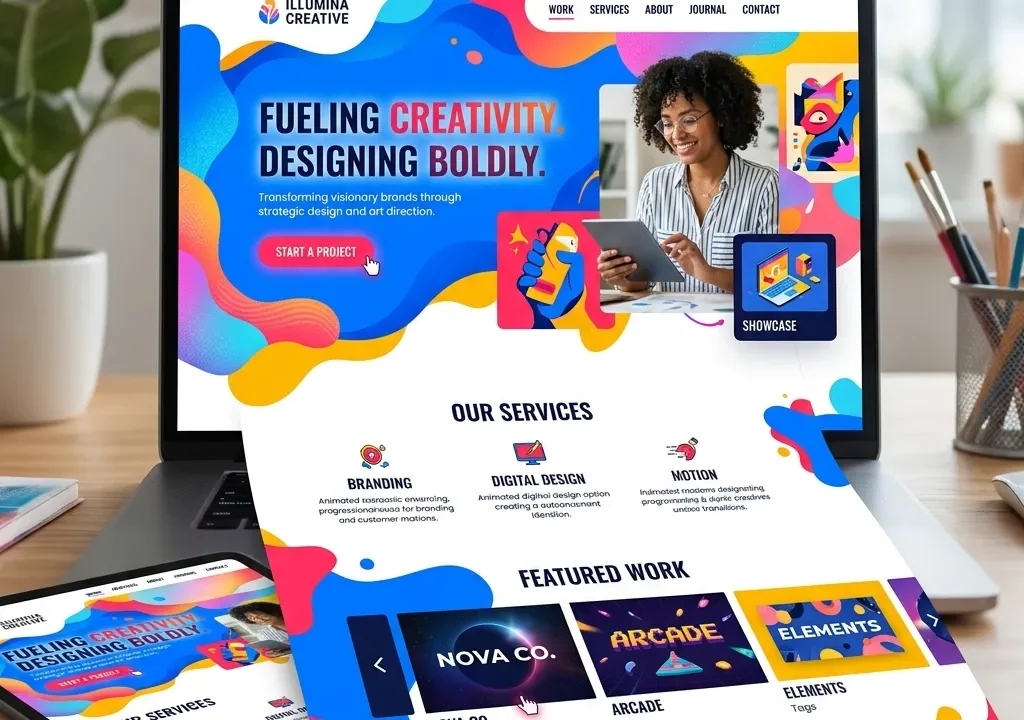
This article explores how vibrant color palettes shape brand identity and influence user behavior. You will discover practical, colorful website design inspiration for creative brands, supported by psychological insights and real-world case studies. You will gain a clear roadmap to implement striking visuals effortlessly.
When you build a digital presence, standing out requires more than just functional layouts and clear copy. Finding the right colorful website design inspiration for creative brands transforms an ordinary interface into an unforgettable digital experience.
Creative brands rely on visual impact to communicate their values, energy, and unique perspectives. By strategically applying hues, gradients, and contrasting tones, businesses capture attention immediately and guide users smoothly through their digital journey. This guide provides comprehensive colorful website design inspiration for creative brands looking to elevate their online aesthetics.
We wrote this article to help you build a high-authority digital footprint. You will learn the psychological impact of vibrant palettes, discover successful case studies, and implement a step-by-step strategy for your own site.
The Power of Color in Brand Identity
Color serves as the silent ambassador of your business. It communicates instantly, bypassing logical processing to evoke an emotional response. When exploring colorful website design inspiration for creative brands, aligning your chosen hues with your core messaging is essential.
A strong brand identity relies on consistency. If your creative agency focuses on high-energy innovation, muted pastels send the wrong message. Bold neons or rich primary colors establish immediate authority and energy. Finding accurate colorful website design inspiration for creative brands ensures your visual elements resonate with your target demographic.
Expert marketers know that visual consistency builds trust. Users form an opinion about your website within milliseconds. Leveraging the best colorful website design inspiration for creative brands gives you the tools to make that first impression count. You demonstrate professionalism, creativity, and attention to detail.
Psychological Impact of Vibrant Palettes
Understanding color psychology allows designers to manipulate user perception ethically and effectively. Different colors trigger specific emotional responses. Red signals urgency or passion. Blue promotes trust and calmness. Yellow evokes happiness and optimism.
When you search for colorful website design inspiration for creative brands, consider how your audience should feel upon landing on your homepage. According to the American Psychological Association (APA), color significantly affects cognitive performance and mood. Applying this logic to UI/UX design means strategically placing warm colors on call-to-action buttons to encourage clicks. You keep backgrounds cooler to reduce visual fatigue.
Finding the right colorful website design inspiration for creative brands involves balancing these psychological triggers. You want to excite the user without overwhelming their senses.
Key Elements of Successful Colorful Web Design
Execution matters just as much as ideation. Effective colorful website design inspiration for creative brands highlights several core components you must master.
Color Harmony
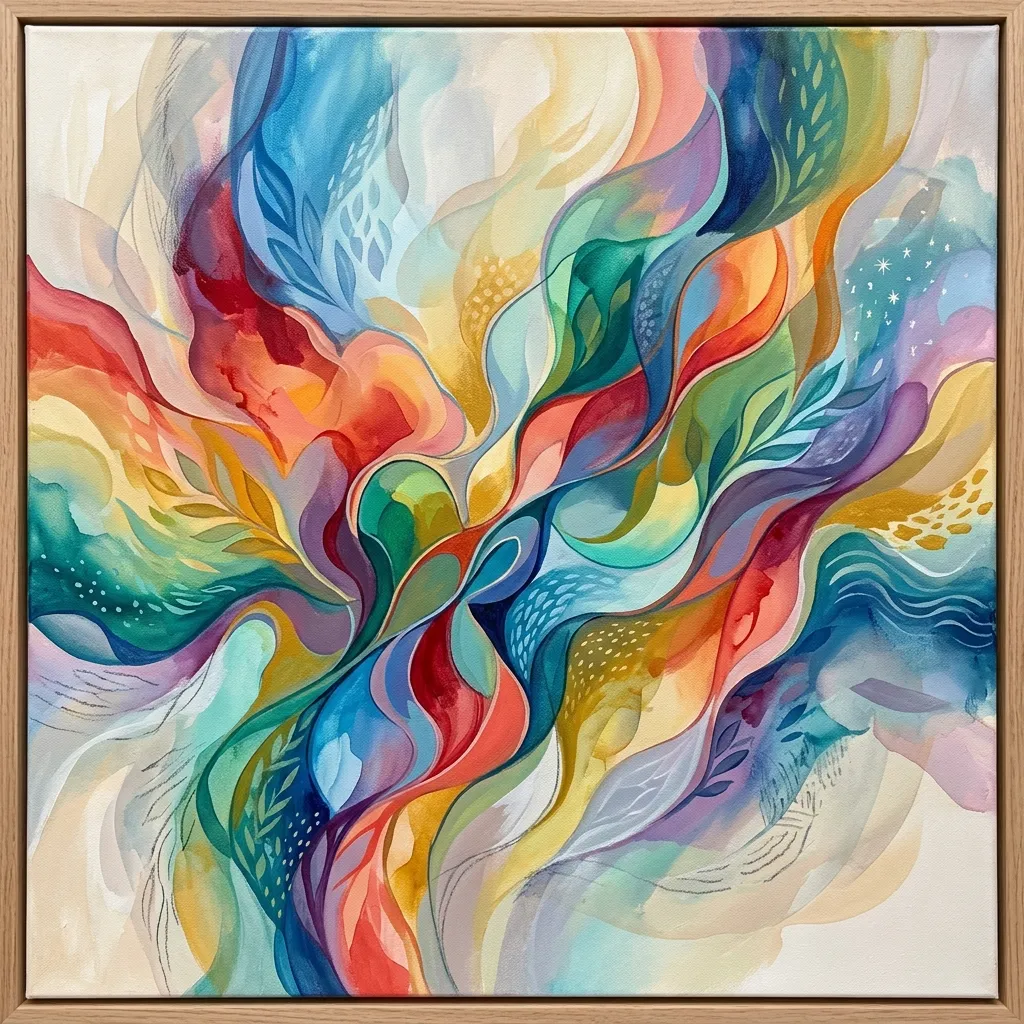
Using complementary or analogous color schemes prevents visual chaos. Harmony ensures that every color on the screen works together to guide the user’s eye toward important information.
Whitespace Application
Negative space allows bold colors to breathe. This practice ensures the interface does not overwhelm the user. Ample whitespace gives your colorful website design inspiration for creative brands the room it needs to shine.
Typography Contrast
High contrast between text and background ensures color accessibility for all users. You must select fonts that remain legible against bright or dark backgrounds.
Micro-interactions
Subtle hover effects using bright accents reward user engagement. When a user hovers over a button and it changes color, it provides immediate, satisfying feedback.
Case Studies: Creative Brands Leading the Way
Examining industry leaders provides excellent colorful website design inspiration for creative brands. These companies use color strategically to dominate their markets.
Stripe
Stripe integrates vivid colors seamlessly with crisp typography. They use brilliant gradients to signify technological advancement and security. Their approach provides perfect, colorful website design inspiration for creative brands in the tech space.
Spotify

Their Wrapped campaigns demonstrate how contrasting, hyper-vibrant colors create viral, shareable experiences. Spotify uses color to evoke the emotion of music, creating a personalized experience for every user.
Mailchimp

By utilizing a bright yellow brand color mixed with quirky illustrations, they redefined B2B web design trends. Mailchimp proves that enterprise software does not have to look boring.
For more examples, the Awwwards showcase highlights the best colorful website design inspiration for creative brands globally.
Structured Comparison Table
|
Design Approach |
Best For |
Visual Impact |
Risk Level |
|---|---|---|---|
|
Monochromatic |
Sophisticated, modern brands |
Cohesive and sleek |
Low |
|
Analogous |
Calm, nature-focused brands |
Harmonious and pleasant |
Medium |
|
Complementary |
High-energy creative agencies |
Striking and dynamic |
High |
|
Triadic |
Youthful, playful brands |
Vibrant and balanced |
High |
Step-by-Step Guide to Implementing a Colorful Scheme
Translating colorful website design inspiration for creative brands into a functional site requires a systematic approach. Follow these steps to ensure a flawless execution.
1. Define Brand Emotion
Determine the exact feeling you want to evoke. Write down three adjectives that describe your brand personality.
2. Select a Base Color
Choose one dominant hue that represents your brand. This color will serve as the foundation for your entire digital presence.
3. Build the Palette
Use tools like Adobe Color to find complementary or analogous shades. This step turns your base color into a comprehensive palette.
4. Test for Accessibility
Ensure your contrast ratios meet WCAG standards using the WebAIM Contrast Checker. Accessibility is a legal and moral requirement for modern web design.
5. Apply the 60-30-10 Rule
Dedicate 60% of the design to a primary color, 30% to a secondary color, and 10% to an accent color. This rule provides balance and structure.
Common Mistakes to Avoid in Colorful Design
Even with the best colorful website design inspiration for creative brands, designers often stumble. Avoid these common pitfalls to protect your user experience.
First, designers often ignore color accessibility. Making text unreadable for visually impaired users damages your reputation and your SEO rankings.
Second, overusing neons causes eye strain and high bounce rates. Visitors will leave your site immediately if looking at it physically hurts their eyes.
Third, failing to maintain consistency across different pages and mobile viewports confuses users. Your colorful website design inspiration for creative brands must translate perfectly to small screens.
Pro Tips & Expert Insights
We gathered advice from top industry experts to help you maximize your colorful website design inspiration for creative brands.
Tip 1: Use saturated colors sparingly for primary calls to action to maximize conversions. A bright red button on a white background draws the eye instantly.
Tip 2: Implement dark mode alternatives. A vibrant palette on a light background requires careful adjustment when inverted.
Tip 3: Let imagery dictate the palette. Pull colors directly from high-quality hero images for instant cohesion.
Internal Cross-Link Clusters & Semantic Topics
To further enhance your knowledge, explore our related guides on conversion rate optimization, digital branding strategies, and user interface accessibility. Integrating these semantic topics strengthens your overall digital footprint and ensures your colorful website design inspiration for creative brands translates into measurable business growth.
Conclusion
Transforming a blank canvas into a digital masterpiece requires courage and strategy. By utilizing this colorful website design inspiration for creative brands, you build an interface that captivates and converts. Start experimenting with your palette today, test your contrast ratios, and launch a website that truly reflects your brand’s creative spirit.
FAQs
1. What is the best color for a creative brand website?
There is no single best color. The optimal choice depends on your specific brand identity and the emotional response you wish to elicit from your target audience.
2. How do I make sure my colorful website is accessible?
Always test your foreground and background color combinations using a contrast checker to ensure they meet WCAG AA or AAA compliance standards.
3. What is the 60-30-10 rule in web design?
It is a classic design principle where 60% of the site features a dominant color, 30% uses a secondary color, and 10% uses a bold accent color.
4. Can B2B companies use colorful web design?
Absolutely. Many B2B tech companies use vibrant accents to stand out from traditional corporate blue interfaces and highlight innovation.
5. How many colors should I use on my website?
Aim for three to five core colors. This prevents visual clutter while offering enough variety for backgrounds, text, and interactive elements.
6. Does website color affect loading speed?
No, CSS colors do not impact loading speed. Using heavy, colorful image files or complex CSS gradients might slightly affect rendering times.
7. How do I find colorful website design inspiration for creative brands?
Browse CSS galleries, Dribbble, Behance, and Awwwards. Look outside your industry for unique visual design elements.
8. Should my website colors match my logo exactly?
Your website colors should harmonize with your logo. You can use your logo color as an accent or a primary base, expanding the palette with complementary shades.
9. What is a monochromatic color scheme?
A monochromatic scheme uses different shades, tints, and tones of a single base color to create a cohesive, minimalist look.
10. Why do some colors cause eye strain on screens?
Highly saturated colors, particularly neons placed next to each other or on pure white/black backgrounds, create visual vibrations that tire the human eye quickly.

Mary McElwee is an editor at ThemeOrbis, specializing in creating and refining content around WordPress themes, web design, and digital creativity. She simplifies complex design and development concepts into clear, practical insights that help users build modern, responsive, and high-performing websites with ease.













No Comments